

Mastering the Fundamentals of Interior Design
- Elina Elnatanova
- Sep 28, 2025
- 4 min read

When we step into a room, we immediately sense its atmosphere. The colors, textures, lighting, and layout all work together to create a feeling that can be welcoming, energizing, calming, or inspiring. Mastering the fundamentals of interior design allows us to shape these feelings intentionally. It helps us create spaces that are not only beautiful but also functional and timeless. Whether we are designing a cozy home, a bustling office, a healthcare facility, or an industrial space, understanding these basics is essential.
Understanding the Fundamentals of Interior Design
Interior design is more than just choosing pretty colors or trendy furniture. It is a thoughtful process that balances aesthetics with practicality. At its core, interior design involves organizing space, selecting materials, and coordinating elements to enhance the quality of life and culture of the occupants.
We start by considering the purpose of the space. For example, a healthcare environment demands cleanliness, accessibility, and calmness, while a commercial office might prioritize collaboration and productivity. Each setting requires a tailored approach.
Some key fundamentals include:
Space planning: Arranging furniture and fixtures to optimize flow and usability.
Color theory: Using colors to evoke emotions and complement the space’s function.
Lighting: Combining natural and artificial light to enhance mood and visibility.
Texture and materials: Adding depth and interest through fabrics, finishes, and surfaces.
Balance and harmony: Ensuring all elements work together cohesively.
By mastering these basics, we create environments that feel right and serve their intended purpose well.

Applying the Fundamentals of Interior Design in Different Spaces
Each type of space presents unique challenges and opportunities. When we apply the fundamentals of interior design, we adapt our approach to meet specific needs.
Residential Spaces
In homes, comfort and personal expression are paramount. We focus on creating inviting areas that reflect the homeowner’s style while maximizing functionality. For example, an open-plan living room might use area rugs and furniture placement to define zones for relaxing, dining, and entertaining.
Commercial Spaces
Offices and retail environments require designs that boost efficiency and brand identity. We might use ergonomic furniture, clear signage, and strategic lighting to support work tasks and customer experience. Durable materials and easy maintenance are also priorities.
Healthcare Environments
Designing for healthcare means prioritizing safety, hygiene, and patient comfort. We select antimicrobial surfaces, calming color palettes, and layouts that facilitate smooth movement for staff and patients. Natural light and views of nature can also promote healing.
Industrial Settings
Industrial spaces demand robust, practical design solutions. We focus on maximizing workflow, ensuring safety, and using materials that withstand heavy use. Clear organization and efficient lighting are critical here.
By understanding the fundamentals, we tailor each project to its context, creating spaces that truly work.

What is the 60/30/10 Rule in Interior Design?
One of the most helpful guidelines we use in interior design is the 60/30/10 rule. This simple formula helps us balance color in a space to create harmony and visual interest.
60% - Dominant color: This is the main color that covers most of the room, such as walls, large furniture, or flooring. It sets the overall tone.
30% - Secondary color: This color supports the dominant one and appears in smaller furniture pieces, textiles, or accent walls.
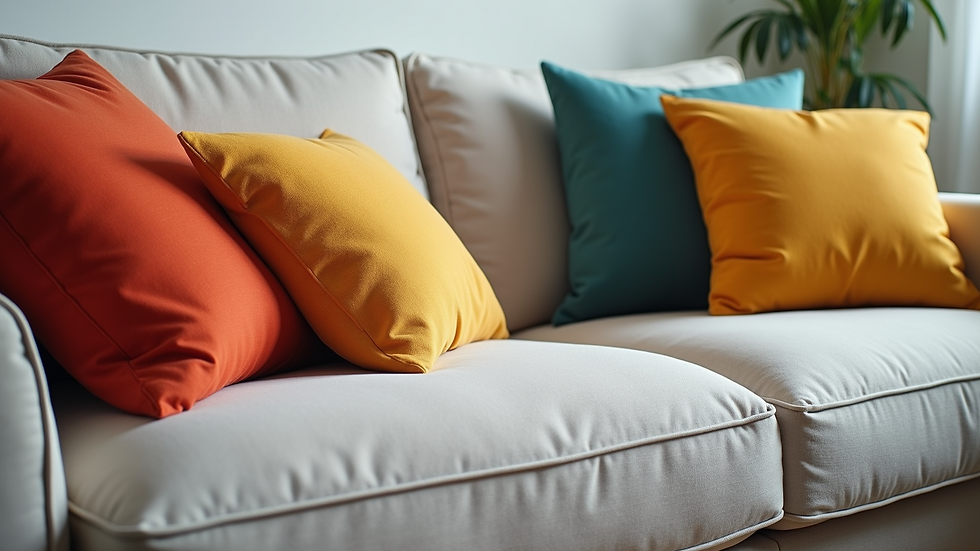
10% - Accent color: The smallest portion, this color adds pops of contrast and personality through accessories like pillows, artwork, or decor items.
For example, in a living room, we might choose a soft beige for 60% of the space, a warm gray for 30%, and a vibrant teal for 10%. This balance keeps the room feeling cohesive yet dynamic.
Using the 60/30/10 rule helps us avoid overwhelming a space with too many competing colors or making it feel flat and dull. It’s a practical tool that guides our color choices and ensures a polished result.
Incorporating Key Interior Design Principles
As we refine our designs, we rely on interior design principles to guide our decisions. These principles include balance, rhythm, emphasis, scale, and proportion. They help us create spaces that feel stable, interesting, and well-composed.
Balance: Distributing visual weight evenly. We can achieve this through symmetrical arrangements or by balancing large and small elements.
Rhythm: Creating a sense of movement by repeating patterns, colors, or shapes.
Emphasis: Highlighting a focal point, such as a fireplace, artwork, or statement furniture.
Scale and Proportion: Ensuring objects fit well within the space and relate harmoniously to each other.
For instance, in a commercial lobby, we might emphasize a striking reception desk as the focal point, balance seating areas on either side, and use repeating light fixtures to create rhythm. Paying attention to these principles ensures our designs feel intentional and inviting.
Practical Tips for Mastering Interior Design Fundamentals
To truly master the fundamentals, we need to combine knowledge with practice. Here are some actionable tips that help us create successful designs:
Start with a clear plan: Define the purpose, budget, and style preferences before selecting materials or furniture.
Use mood boards: Collect images, fabric samples, and color swatches to visualize the overall look.
Measure carefully: Accurate dimensions prevent costly mistakes and ensure everything fits perfectly.
Layer lighting: Combine ambient, task, and accent lighting to create a versatile and comfortable environment.
Mix textures: Combine smooth, rough, soft, and hard surfaces to add depth and interest.
Edit thoughtfully: Avoid clutter by choosing quality over quantity and keeping only what enhances the space.
Test colors: Paint samples on walls and observe them at different times of day before committing.
By following these steps, we build confidence and skill in applying the fundamentals to any project.
Mastering the fundamentals of interior design is a rewarding journey. It empowers us to create spaces that are not only visually appealing but also meaningful and functional. Whether we are working on a home, office, healthcare facility, or industrial site, these basics form the foundation of every successful design. With thoughtful planning, attention to detail, and a clear understanding of core principles, we can transform any space into a place that truly tells its story and meets the needs of those who use it.


Comments